

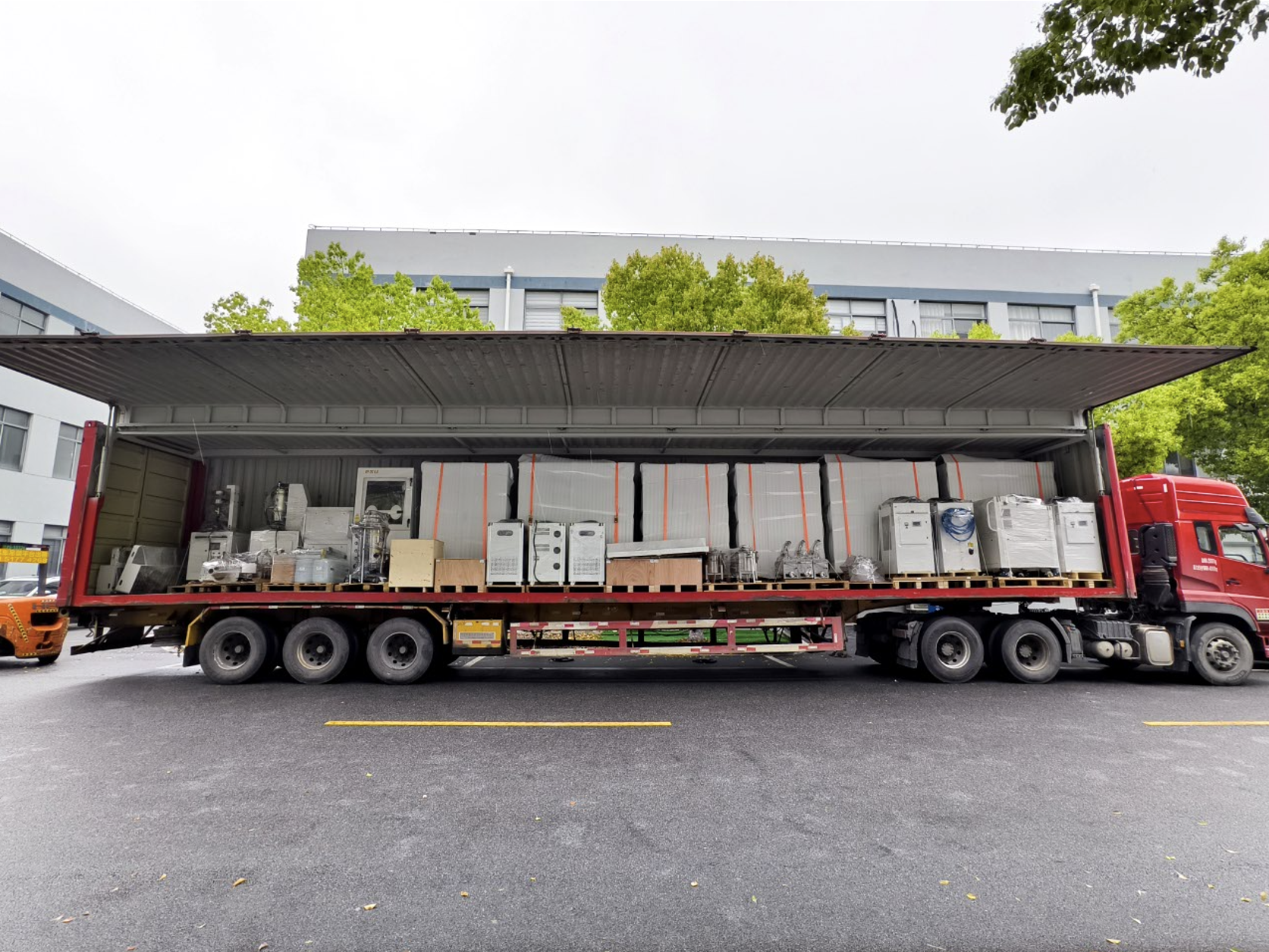
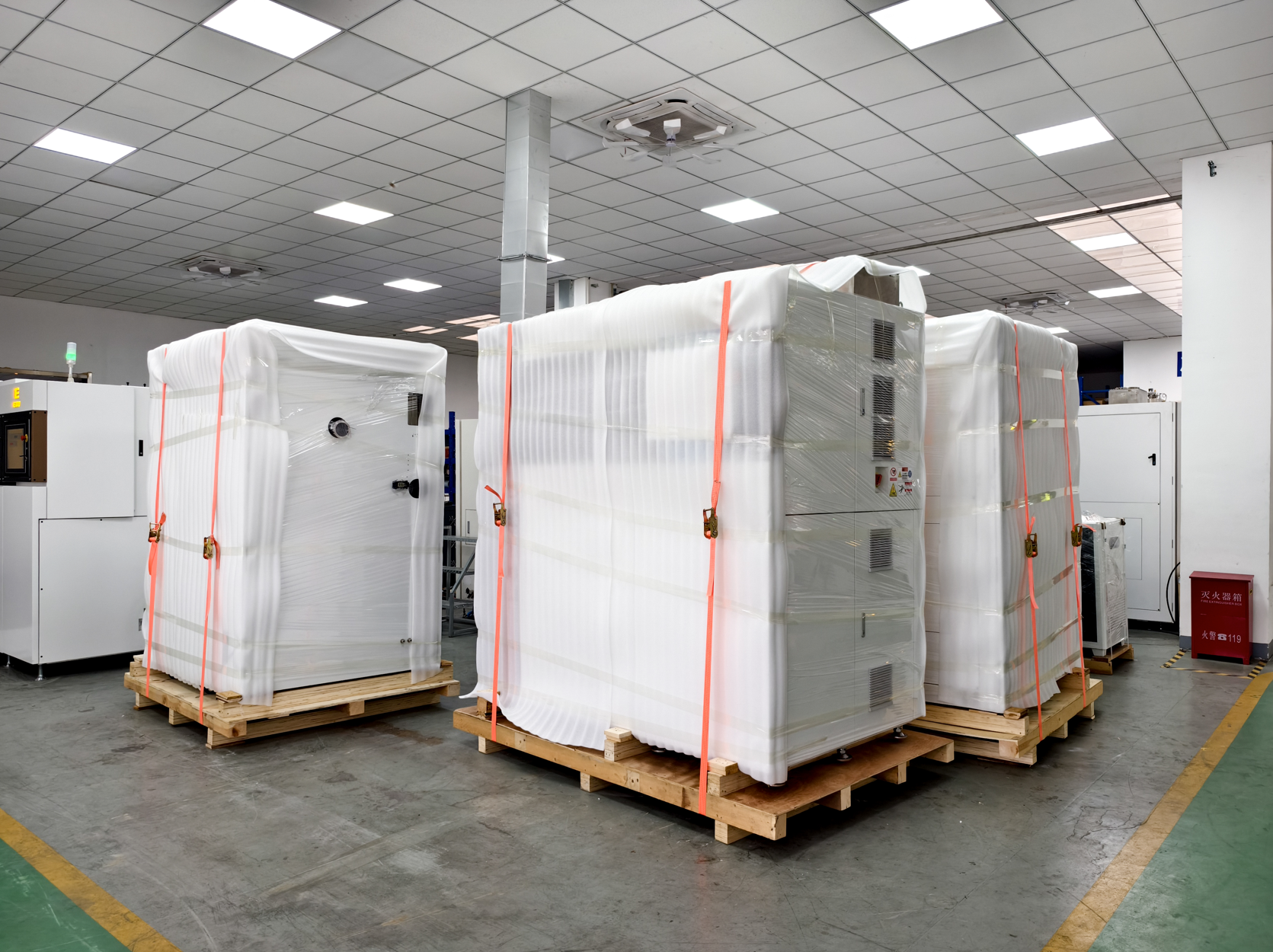
It is learned from references on 3D printing technology that a mold enterprise in Shanghai recently purchased three E3-420 metal 3D printers from ESU 3D Printing in a single batch for mold manufacturing.
This marks one of the landmark orders since ESU 3D Printing launched its third-generation equipment last year. This case reflects a subtle shift in the mold industry’s attitude toward 3D printing technology. For some manufacturers, the question is no longer “Should we give it a try?” but rather “How many units do we need?” As the technology moves out of trial phases and into formal mass production, a single printer can no longer meet operational demands.
Furthermore, customers placing bulk multi-unit orders represents strong recognition of the ESU 3D Printing brand and its complete solution packages. The driving forces behind this market shift merit in-depth analysis.
The Mold Industry Stands at the Inflection Point of 3D Printing
Though the application of 3D printing technology in the mold sector has passed a critical exploration phase, its overall market penetration remains relatively low.
According to the 2026 China Forming Mold Data Monitoring & Research Report, 3D printing currently accounts for 18.7% of applications in rapid mold making. Its penetration rate across the entire injection mold industry stands at roughly 3%, yet injection molds make up 95% of all 3D-printed mold applications.
Mold manufacturers show stark divergence in their willingness to invest in 3D printing. Large-scale mold enterprises actively establish additive manufacturing centers to develop high-value-added products, with 3D printed molds delivering a high profit contribution ratio. Small and medium-sized mold businesses waver between adoption and wait-and-see attitudes: early adopters usually purchase one or two printers to focus on segmented product lines, while hesitant players, constrained by limited capital and technical capacity, mostly rely on outsourced printing services to sustain competitiveness.
As a result, the penetration of 3D printing within the mold industry has entered a pivotal growth stage. This expansion is fueled by dual progress in both the technology and the industry ecosystem: 3D printing technology has become relatively mature, more brands have emerged across the supply chain, and equipment prices have fallen to an accessible range for manufacturers.
3D Printing Equipment Is Merely an Entry Ticket
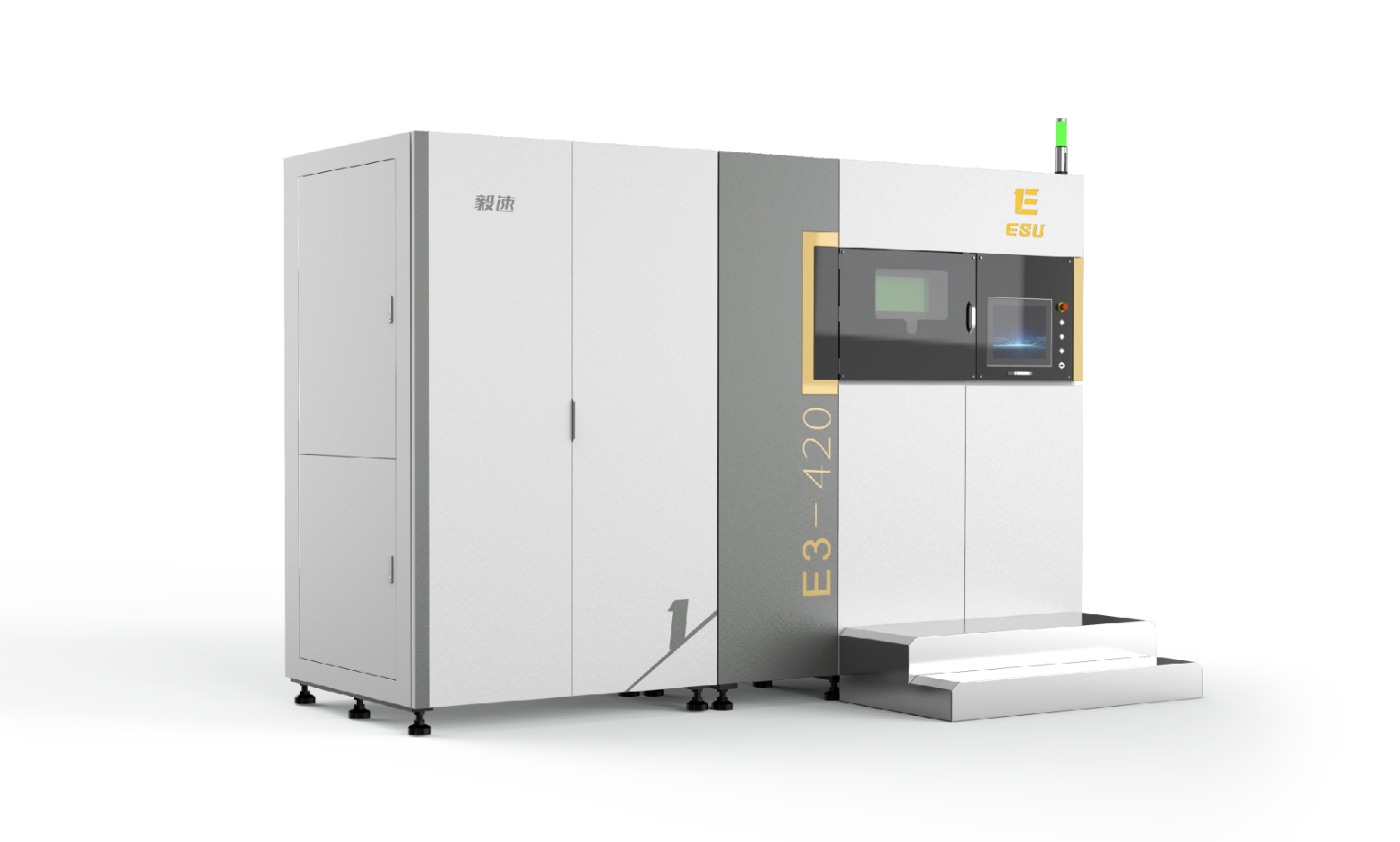
The three E3-420 printers purchased in this batch are the third-generation 3D printing machines launched by ESU 3D Printing in April 2025.
The equipment integrates the high precision, multi-laser high efficiency and open material compatibility of universal printing systems. With a build volume of 400×400×420mm, it caters to most mainstream molds including injection molds, die-casting molds and rubber molds. Customers can opt for configurations with 2, 4 or 6 lasers to balance printing efficiency, operating costs and capital investment. A material density exceeding 99.9% enables mirror polishing, a rigid performance benchmark required by the mold industry.
Yet equipment has never been the real threshold for mold 3D printing. Unlike conventional machining, mold 3D printing involves far more than just the printing step — it follows an entirely distinct technical roadmap with a brand-new set of logics covering materials, design, post-processing and core crafting processes. For mold makers, a turnkey full-set solution from a single provider carries immense appeal.
Integrated Solution Stands as the Core Factor for Selection
The founding team of ESU 3D Printing has long been deeply engaged in mold manufacturing and 3D printing sectors, amassing more than 200,000 application cases. They possess in-depth insights into various practical problems encountered during mold operation, as well as existing 3D printing materials and processing technologies.
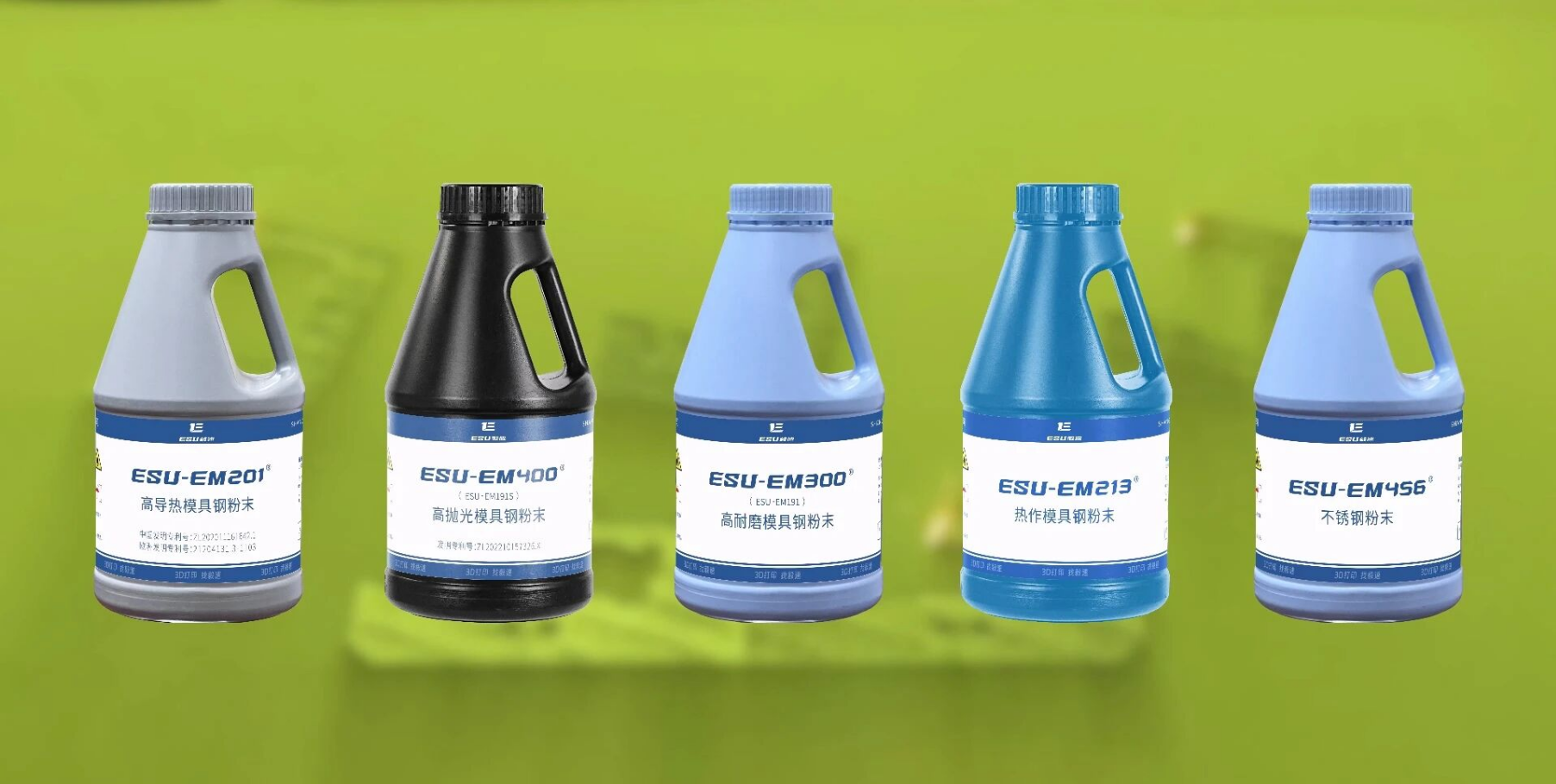
Such rich experience is translated into mold design and production, forming an integrated solution consisting of universal printing equipment, dedicated materials, professional design training and customized processes. It comprehensively addresses pain points in the design, production and application of 3D printed molds, including conformal cooling channels, breathable steel, hybrid bonding and high-polish surfaces. This constitutes ESU 3D Printing’s core competitive advantage.
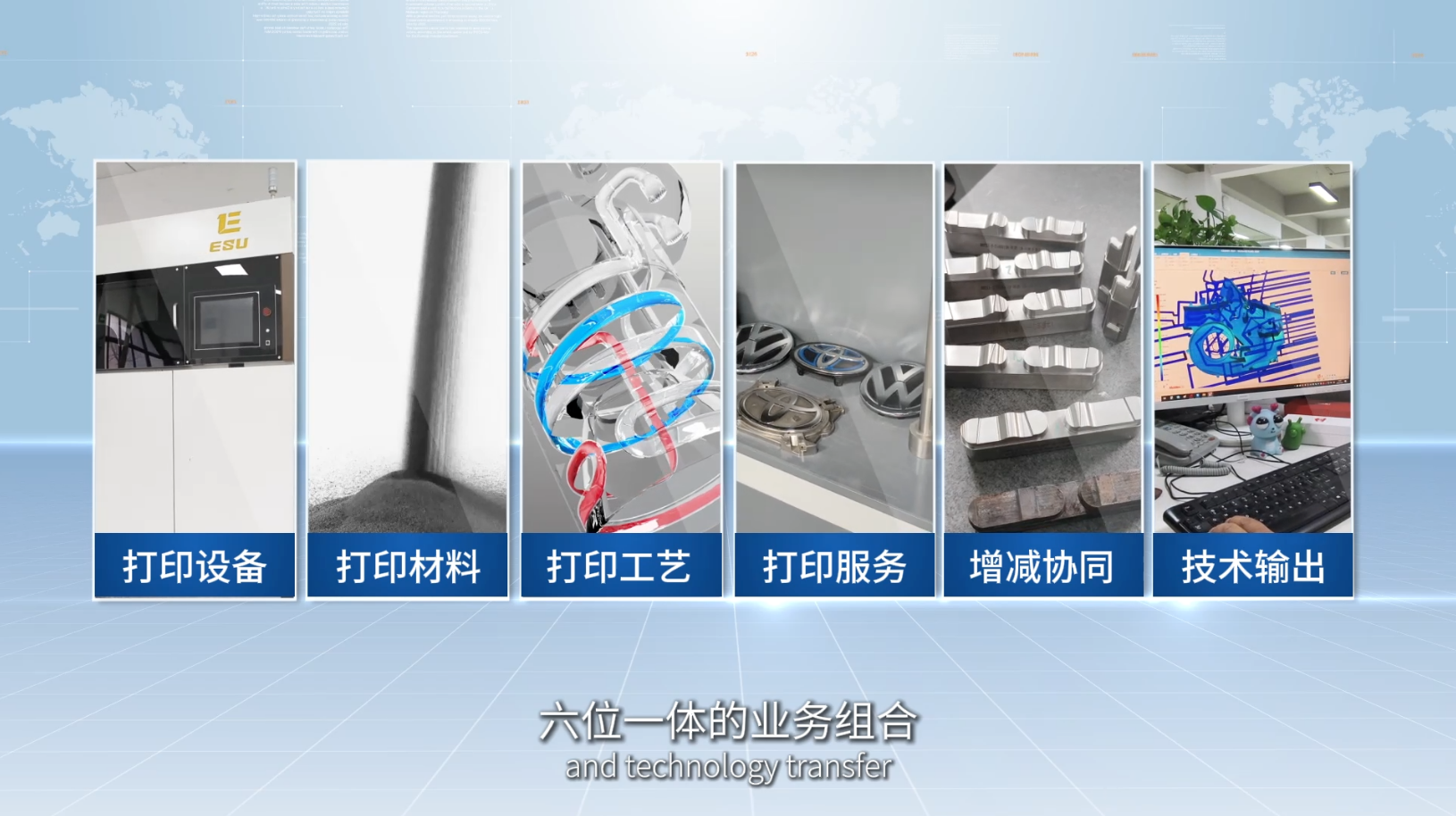
Next comes professional design. In most cases, although mold manufacturers can design conformal cooling channels by themselves, insufficient mastery of printing processes often leads to failed printing runs or shortened mold service life. ESU 3D Printing gains an edge from its profound grasp of 3D printing workflows, enabling optimized design built around process characteristics, with all accumulated know-how fully passed on to customers.
Then there are customized proprietary processes. Standard process packages offered by most equipment suppliers focus merely on guaranteeing material density and mechanical properties. Yet the mold industry has unique application scenarios such as breathable steel. To address these special requirements, ESU 3D Printing has developed exclusive tailored processes that greatly boost mold functionality.
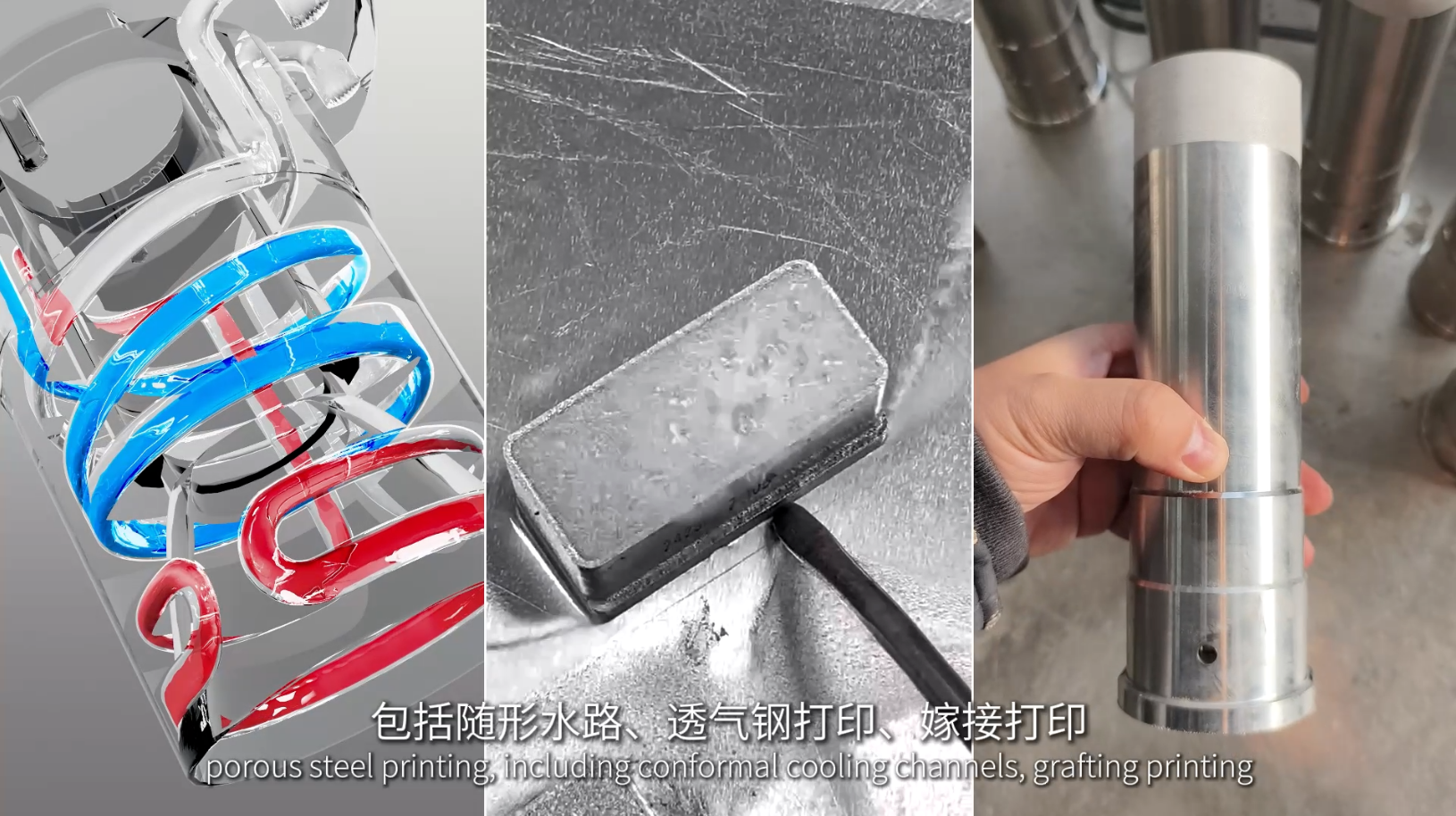
This is the value-added benefit brought by interdisciplinary technology integration. Having in-depth expertise across both industries, ESU 3D Printing excels at mold design optimized for 3D printing processes to elevate product performance. The most representative applications lie in the development of breathable steel technology and structural optimization of cooling channels.
ESU 3D Printing packages all these professional capabilities and delivers them to customers via systematic training, helping clients build fully competent in-house technical teams.
As learned by the author, ESU 3D Printing also conducts feasibility assessments for customers’ integrated solutions, covering factory layout planning and more, to assist clients in selecting the most suitable overall solution.
Discussion on the Importance of Application Cases
For mold manufacturing, machining experience, design expertise, process optimization and post-processing capacity are often more valuable than the printing equipment itself. Quite a few mold manufacturers have purchased 3D printers yet still outsource printing services. This rarely stems from inferior equipment, but mostly from a lack of mature application experience.
Therefore, when mold enterprises transform to digital production lines, they require far more than standalone 3D printers—what they truly need is a complete integrated solution. If the recently purchased units at the Shanghai mold enterprise are smoothly put into production and run stably, this will become a noteworthy follow-up case. It will reflect the real implementation performance of mold 3D printing production lines within actual manufacturing environments.








Copyright©2019-2026 Shanghai ESU Laser Technology Co., Ltd Copyright
沪ICP备19032964号-1
Public Security Filing 31011602001891号
The commercial promotion of goods or services directly or indirectly to consumers on this website is considered as "advertising" (excluding product information such as packaging, parameters, and after-sales support),
and our company reserves the right to interpret it within the legal scope.